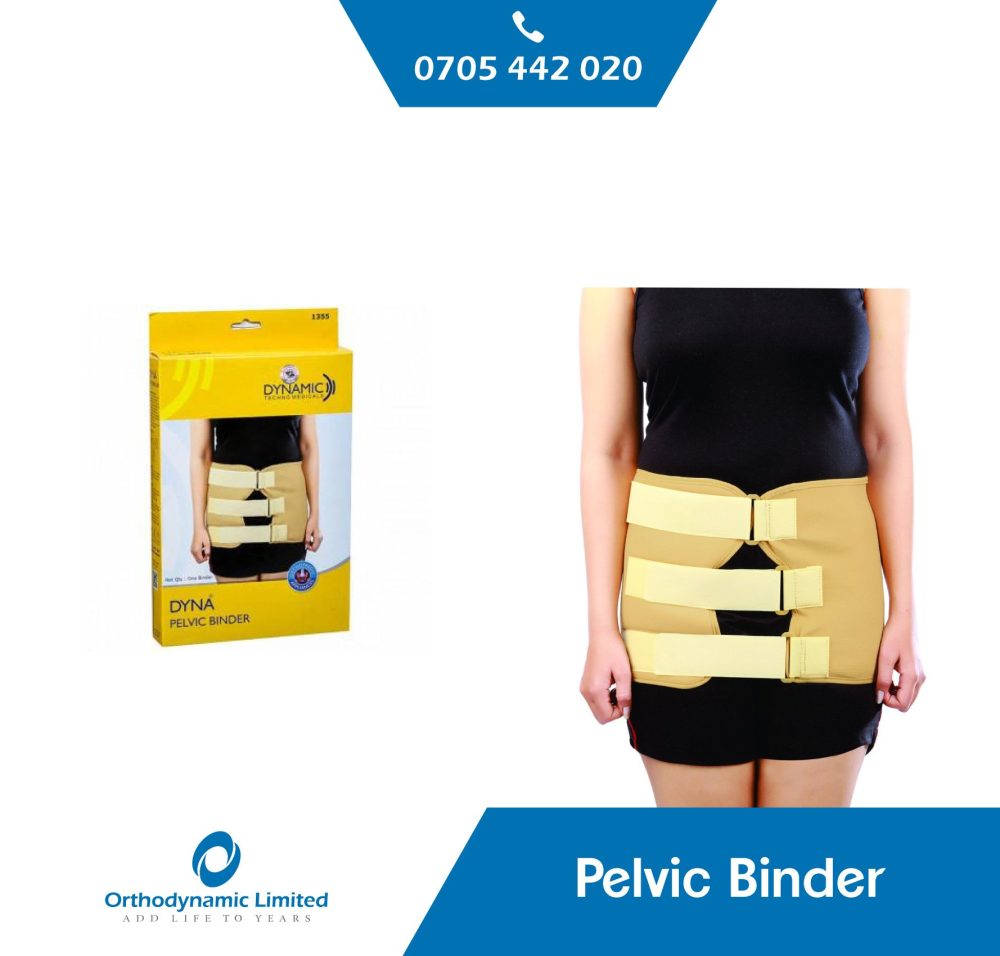
Pelvic binder
In emergency situations involving suspected pelvic trauma, the conventional stepwise approach can be time-consuming and may delay crucial interventions to manage major hemorrhage effectively.
The decision-making process for the initial placement of pelvic binders is typically entrusted to key members of the trauma team, including the Trauma Attending, EM Attending, or surgical Chief/Senior resident.
To expedite stabilization and manage potential major hemorrhage promptly, the use of pelvic binders is advocated as a primary intervention for patients with suspected or documented pelvic injuries.
Expanding upon this, let's delve deeper into the rationale and methodology behind the use of pelvic binders in the emergency management of suspected pelvic trauma, comparing it with the conventional stepwise approach.
In the chaotic environment of the Emergency Department (ED), trauma patients presenting with suspected or documented pelvic injuries pose significant challenges to medical teams. These injuries, often associated with major hemorrhage, demand swift and decisive action to prevent further complications and improve patient outcomes.
Traditionally, the management of pelvic trauma followed a stepwise approach, involving the sequential assessment of injuries and the implementation of interventions. However, this approach can be time-consuming and may delay critical interventions, particularly in cases where major hemorrhage is a concern.
Recognizing the need for a more expedited and efficient approach, the use of pelvic binders has gained prominence in recent years. These devices provide external, circumferential compression to stabilize pelvic fractures, reduce pelvic volume, and mitigate hemorrhage. By applying direct pressure to the pelvic region, pelvic binders offer a rapid and effective means of stabilizing mechanically unstable fractures and controlling bleeding.
The decision to apply a pelvic binder is typically made by senior members of the trauma team, taking into account Expert findings, radiographic imaging, and the patient's hemodynamic status. Once applied, the binder serves as a temporary measure to stabilize the pelvis, allowing for further assessment and definitive treatment.
Research studies have demonstrated the benefits of early pelvic binder application in trauma patients. By initiating stabilization with a pelvic binder before definitive imaging, patients experience shorter hospital and intensive care unit (ICU) stays, improved survival rates, and reduced blood transfusion volumes. These findings underscore the importance of prompt intervention in suspected pelvic trauma cases.
Moreover, the use of pelvic binders has been shown to be effective in reducing symphyseal diastasis and horizontal displacement in pelvic fractures.
Cadaveric models have validated the efficacy of devices like the T-Pod, carried on AirCare, in achieving pelvic stabilization and reducing hemorrhage.
In conclusion, the use of pelvic binders represents a paradigm shift in the emergency management of suspected pelvic trauma. By offering a rapid and effective means of stabilization, pelvic binders facilitate early intervention, reduce complications, and improve patient outcomes. In emergency situations where time is of the essence, pelvic binders emerge as a crucial tool in the armamentarium of trauma care providers, enabling them to deliver timely and effective care to patients in need.
contact us